
"before Development"
5000 article(s) found

The development history of Papua New Guinea
The legendary background of modern coffee. In Papua New Guinea, about 75 per cent of coffee products come from small local farmers

The Origin and Development of El Salvador Mount Wula what is the variety of El Salvador Wula Mountain Coffee beans
Professional coffee knowledge exchange more coffee bean information please follow the coffee workshop (Wechat official account cafe_style)

The spread of coffee in China and the development of coffee shop culture
The development of coffee in China according to historical records, coffee was first planted in Taiwan in 1884, which opened the prelude to the development of coffee in China. The earliest coffee cultivation in mainland China began in Yunnan, when a French missionary brought the first coffee seedlings to Binchuan County in Yunnan Province at the beginning of the 20th century. For nearly a hundred years after that, coffee was only a star in the vast territory of China.

Development History of Coffee beans in Papua New Guinea
The coffee industry plays an important role in the country's economy. More than 1 million people are directly and indirectly engaged in the industry. The government encourages planting by offering a minimum purchase price. The industry itself is controlled by the Coffee Industry Council (Coffee Industry Board). The commission is located in Goroka, in the eastern part of the island, while exports are handled by private companies. The frost of 1975

The spread and Development of Coffee Culture (2)
The spread and Development of Coffee in Europe from the end of the 15th century to the beginning of the 16th century, coffee was already a popular drink in the Middle East, but it was also regarded as a medicine. European ambassadors and merchants in the Turkish Empire also believed that coffee was a healthy drink with special curative effects, and many positive comments helped to import coffee into Europe. Lovov, a famous German doctor and botanist, wrote as early as 1582.
The development and change of coffee!
With the development of the times and the further change of people's concept of life, the coffee industry is also developing at a rapid speed. The promotion of urbanization and the construction of culture are the driving force for the development of coffee shops.

Coffee history France encounters a bottleneck in the development of coffee industry
French King Louis XIV (1638-1715) once tried coffee. Although he was insensitive to the bitter taste, he did not ignore the huge potential business opportunities of coffee. After all, the court alone spent 110000 yuan a year to buy coffee to solve the princess's coffee addiction. Coffee was the most valuable agricultural product at that time, so Louis XIV was eager to share in the global coffee industry. Seventeen ⊙ eight years, France imitates the Netherlands

The four varieties in the Philippines are Robast, Liberica, Exelsa and Arabica
Fine coffee is fresh coffee. Whether it's food or drink, the fresher the better, and so is specialty coffee. Coffee beans should be kept fresh before making fine coffee, including the preservation of roasted beans, and the coffee beans should be ground before making, which is also to retain its most original and best flavor. And hand brewed coffee making is such a way to make fine coffee
About the coffee fruit.
The fruit is a berry, also known as comb fruit. Oval, 9-14 mm long, young fruit green, red at maturity, purplish red. Each fruit generally has two seeds, but also one or three, showing a semi-oval, there is a longitudinal groove, called grooves. The structure of a fruit in which the exocarp consists of a thin layer of hardwood human cells with stomata; the mesocarp (that is, pulp) is large and Lignified by several layers of polygons.
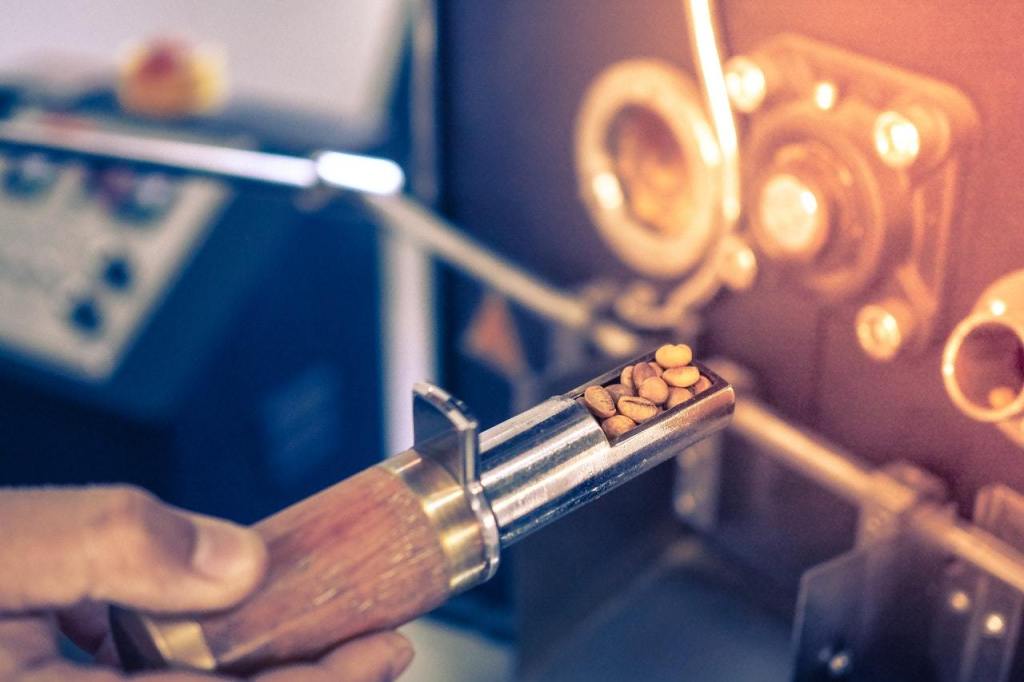
[advanced knowledge of coffee roasting] basic theory and training contents of professional coffee roasters
Professional coffee knowledge exchange more coffee bean information please follow the coffee workshop (Wechat official account cafe_style) [basic knowledge and training of coffee roasters] 1. Law of moisture content and flavor of coffee II. Coffee bean defect category selection 3. Analysis of characteristics of Bean baking Appliances Application of 4.ROR 5. Baked bean curve identification 6. Physical changes and chemical reactions caused by temperature layer and time 7. Caramelization and
Boutique single Yemeni coffee beans
Yemeni Coffee Mocha is the earliest export port of Yemeni coffee beans, a well-known coffee named after a port in Yemen. The most familiar mocha coffee. When the word appears on the recipes of bags and cafes, the meaning is different. The former refers to the port where coffee beans are exported, while the latter refers to a kind of coffee. Strictly speaking, exported from the Yemeni port of Mocha

What is the water temperature of Huakui coffee? what is the hand brewing skill of Sakui coffee?
Professional coffee knowledge exchange more coffee bean information please follow the coffee workshop (Wechat official account cafe_style) recently, in adjusting a newly arrived washed Ethiopian Sidamo Sakuran, I fixed the curve before the explosion, and then only by changing the length of the stage of development and the temperature of the next bean to see the effect on the flavor. The reference flavor of this Huakui bean is obvious.

The development history of coffee machine from ancient times to the present
A long time ago, the coffee machine was not called by that name, but was called the coffee pot. Europe is the birthplace of the coffee pot, and the earliest coffee machine was invented in Europe. I believe that the ancestors of foreigners invented the coffee machine a long time ago, but the coffee machine at that time was not as common and popular as it is now. A long time ago, the coffee machine was not called by that name, but coffee.

The development history of coffee machine from ancient times to the present
A long time ago, the coffee machine was not called by that name, but was called the coffee pot. Europe is the birthplace of the coffee pot, and the earliest coffee machine was invented in Europe. I believe that the ancestors of foreigners invented the coffee machine a long time ago, but the coffee machine at that time was not as common and popular as it is now. A long time ago, the coffee machine was not called by that name, but coffee.

Introduction to the treatment method of planting and Development History of single Bean Flavor in Tianzi Manor
For the exchange of professional baristas, please follow the coffee workshop (Wechat official account cafe_style) Nicaragua Nicaraguan population: 6071000 Nicaragua has some smaller growing areas, including Madriz (Madriz), Managua (Managua), Boaca and Carazo (Carazo), which are not listed below, but actually produce some excellent coffee. JINOTEGA Sinot
Yemeni coffee mocha coffee boutique coffee
Yemeni Coffee Mocha is the earliest export port of Yemeni coffee beans, a well-known coffee named after a port in Yemen. The most familiar mocha coffee. When the word appears on the recipes of bags and cafes, the meaning is different. The former refers to the port where coffee beans are exported, while the latter refers to a kind of coffee. Strictly speaking, exported from the Yemeni port of Mocha

A complete guide to Italian matching and baking
In blending, cooked spelling is more stable than raw spelling, but now many people will use raw spelling to solve Italian beans or individual blending, and even some raw bean suppliers have already assembled the beans, and the bakers can bake them directly. Normally, spelling is more stable and more time-saving, so more bakeries prefer to use it. For example, we are working in our own store.
Boutique coffee basic knowledge coffee fruit
The fruit is a berry, also known as comb fruit. Oval, 9-14 mm long, young fruit green, red at maturity, purplish red. Each fruit generally has two seeds, but also one or three, showing a semi-oval, there is a longitudinal groove, called grooves. The structure of a fruit in which the exocarp consists of a thin layer of hardwood human cells with stomata; the mesocarp (that is, pulp) is large and Lignified by several layers of polygons.

A brief introduction to the history and culture of the origin and development of sweet Ethiopian boutique coffee beans
Getachew Mengistie, director of Ethiopia's Bureau of intellectual property, bluntly pointed out that farmers sell raw beans for $1.45 a pound, while Starbucks sells for $26 a pound in the United States, 18 times the price difference between the two places. The reason is that Ethiopia does not know how to use intellectual property rights to create value for farmers, as long as the name of Ethiopian high-quality beans, it can be higher than the average in the United States.

Talking about the champion of Chinese barista
Q1: please share the key to winning the award that year? Q2: has there been any change in your career path since you won the championship? Q3: in your opinion, what changes have taken place in the Chinese coffee market in recent years, especially how does the development direction of boutique coffee affect you? Q4: if you compete again, what do you think is different from the past? What advice do you have for new baristas? A1: first of all, competition